How to Take Clean Screenshots on Mac
Take cleaner Mac screenshots by reducing clutter, capturing the right area, hiding private information, and using simple annotation.
Clean screenshots are easier to understand, easier to share, and more useful later. They do not need to look like marketing images. They just need to remove distractions.
Here is a practical checklist.
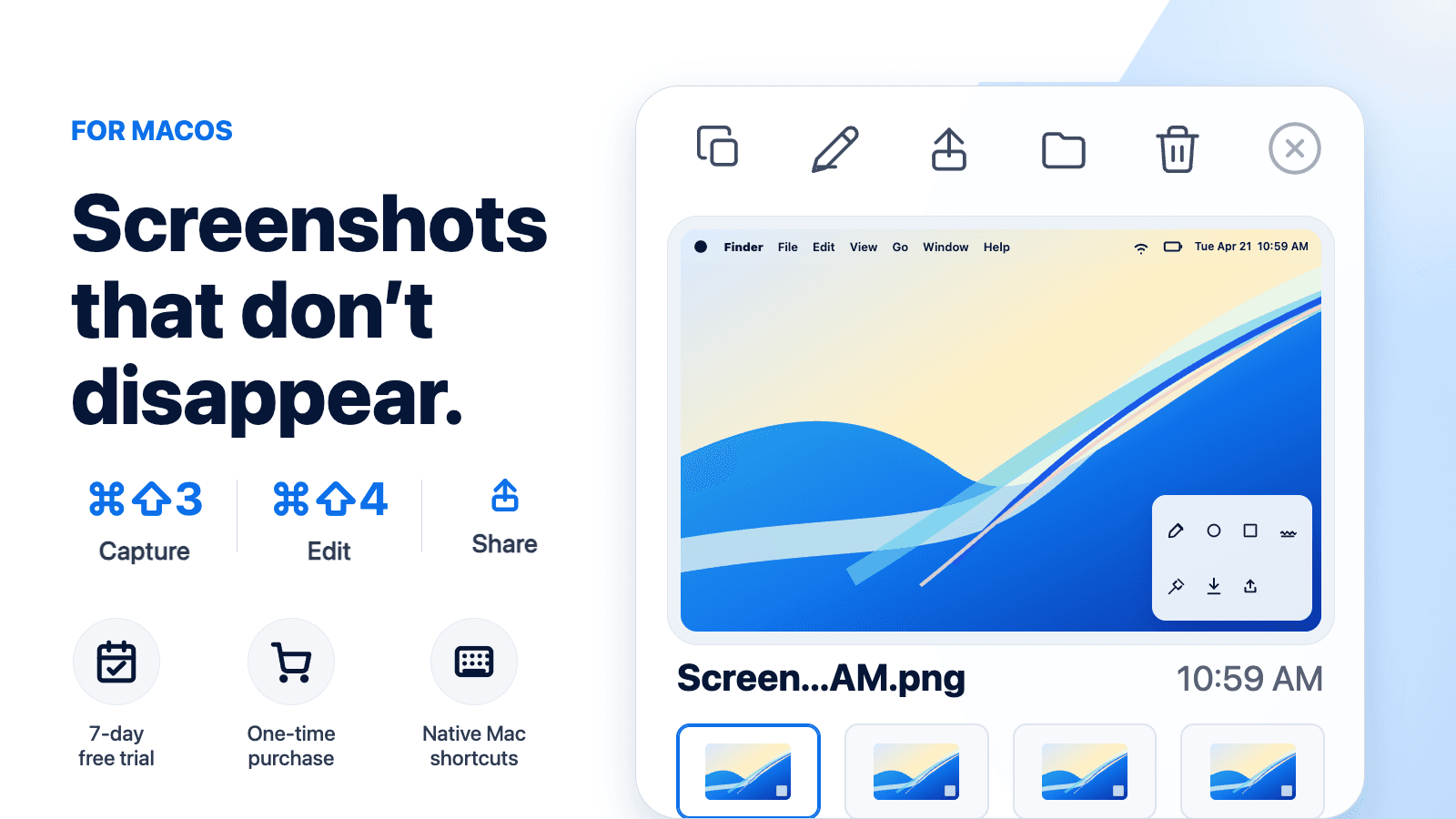
This guide is for Mac users who send screenshots for work and want fewer follow-up questions. Start with the right capture area, remove private information, add one clear annotation when needed, and use CommandShot when the screenshot should stay ready for editing, sharing, renaming, or cleanup.
Capture the right area
Use Command + Shift + 4 to select only the relevant part of the screen.
Avoid full-screen screenshots when the viewer only needs one error, one setting, or one UI detail.
Remove private information
Before sending, check for:
- names
- emails
- messages
- account IDs
- tokens
- browser tabs
- notifications
If private information is visible, crop the screenshot or retake it.
Use enough context
Clean does not mean overly cropped.
Include nearby labels, headings, and controls if they help explain what the screenshot shows.
Use one annotation
If something needs attention, add one arrow, box, or highlight.
Too many annotations can make the screenshot harder to read.
Keep text readable
If the screenshot includes small text, zoom in before capturing or capture a smaller region.
A screenshot that requires zooming is often less effective.
Rename important screenshots
If the screenshot will be saved, rename it with a useful name.
Examples:
pricing-page-mobile-overlap.pngsettings-export-success.pngcheckout-error-state.png
Delete temporary screenshots
Clean screenshots also mean a clean workspace.
If you only needed to send the screenshot once, delete it afterward or use clipboard capture so no file is saved.
Where CommandShot helps
CommandShot keeps screenshots available after capture, so you can quickly copy, edit, rename, drag, share, or delete them before they pile up.
Final takeaway
The cleanest screenshots are focused, readable, and free of private clutter. Capture less, explain more, and clean up after sending.