A Better Screenshot Workflow for Remote Teams
Improve remote team communication with clearer screenshots, faster handoffs, better annotations, and less time spent explaining visual issues.
Remote teams rely on screenshots because visual context replaces a lot of meetings. A good screenshot can explain a bug, clarify a design comment, or unblock a teammate across time zones.
A bad screenshot creates confusion.
This guide is for distributed teams that use screenshots for async decisions, bug reports, product feedback, support notes, and handoffs. The goal is to make each capture easy to understand and easy to act on, with CommandShot helping when recent screenshots need to be copied, annotated, renamed, dragged, shared, or deleted quickly.
Use screenshots for async context
Screenshots work well when someone needs to understand:
- what you saw
- where a bug happened
- what state the product was in
- which part of a design needs feedback
- what a customer experienced
They make async communication faster because the viewer does not have to imagine the state.
Capture the right amount of context
Too little context makes screenshots confusing. Too much context makes them hard to scan.
For remote teams, include:
- the relevant UI
- enough surrounding layout
- the state or error
- a visible label or heading
Remove unrelated windows and private data.
Pair every screenshot with a short note
The note should say:
- what the screenshot shows
- what you need
- what good output looks like
Example:
The mobile menu overlaps the pricing CTA at 390px width. Can we add spacing below the nav?
Use annotations sparingly
One arrow or box can save a long explanation.
Use annotations to show:
- the broken element
- the expected action
- the confusing copy
- the exact area that changed
Create team habits
Remote teams benefit from shared screenshot habits:
- capture focused areas
- include a short explanation
- name important files
- remove private data
- delete temporary screenshots
These habits reduce repeated clarification.
Where CommandShot helps
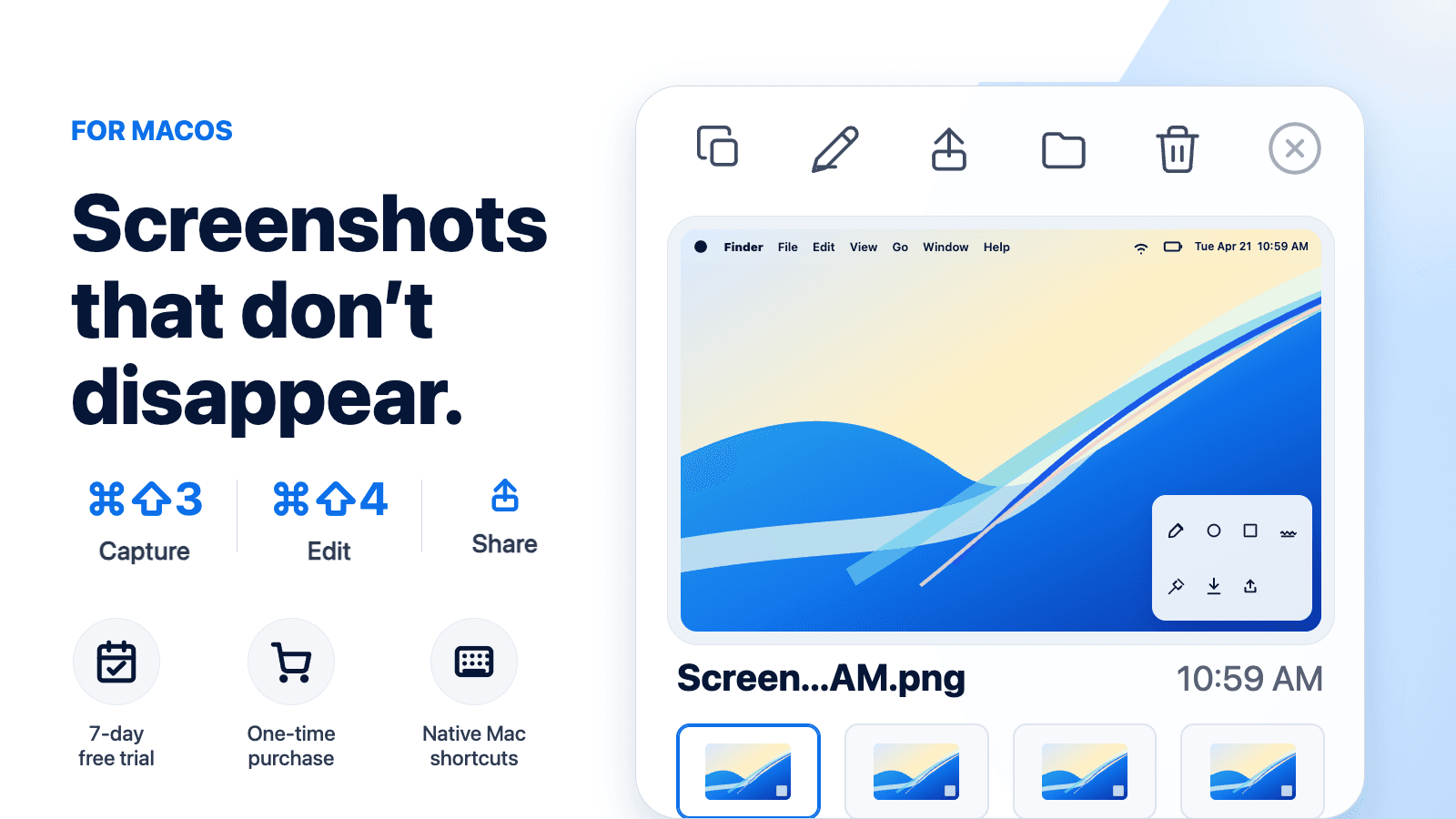
CommandShot is useful for screenshot-heavy remote work because it keeps recent captures ready for the next step: copy, annotate, drag, rename, share, or delete.
Final takeaway
For remote teams, screenshots are not just images. They are communication. Make them focused, contextual, and easy to act on.